
Ancient Monasteries of Upper Mustang, Lo Manthang
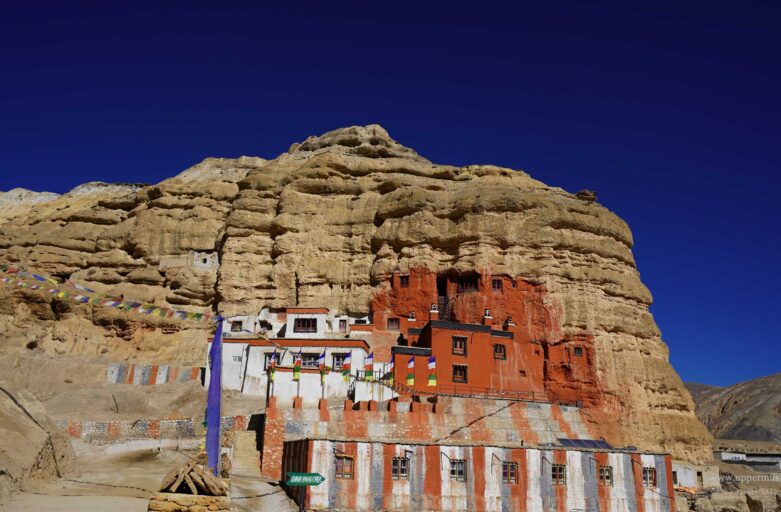
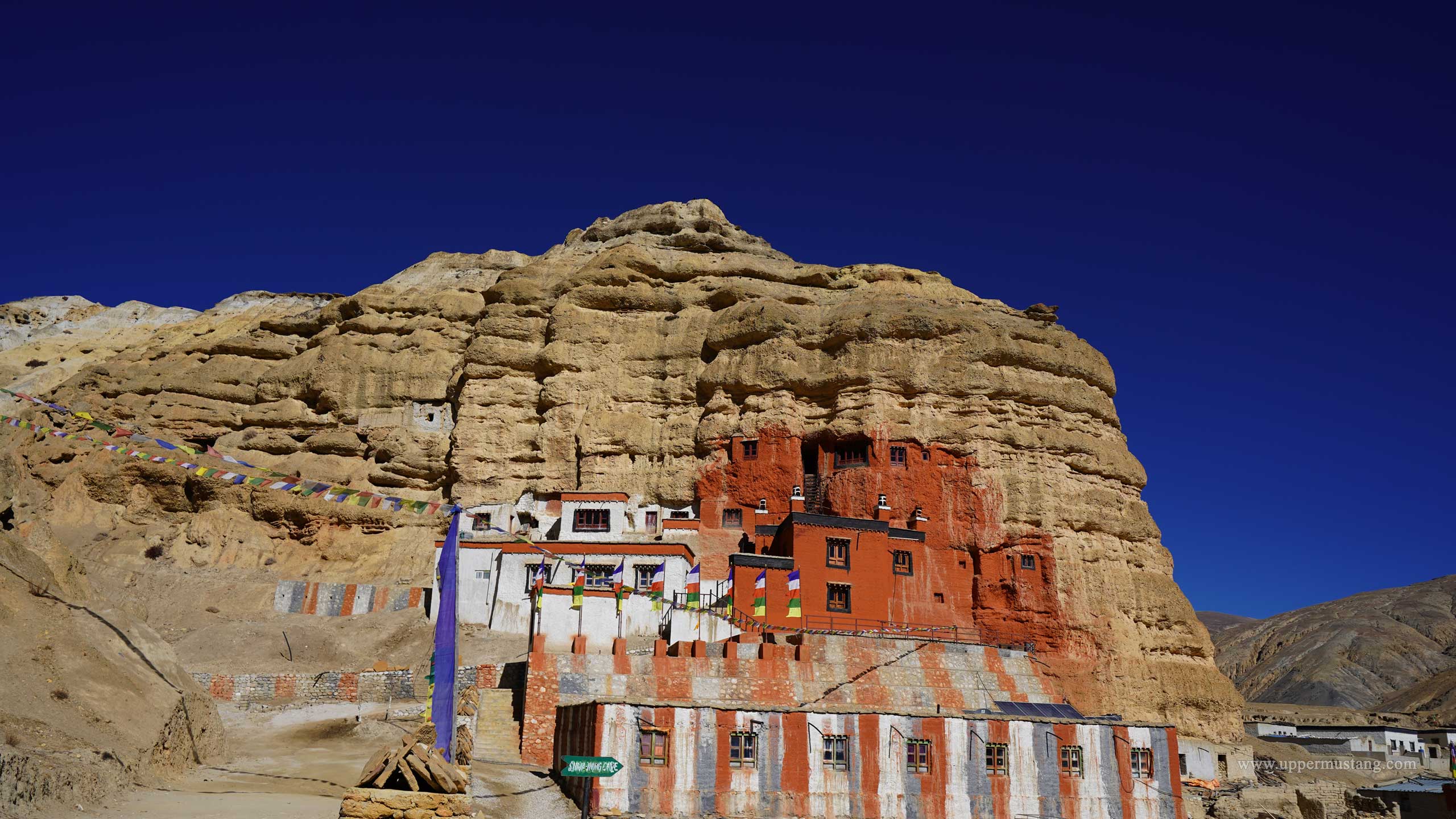
The monasteries of Upper Mustang are not just architectural marvels; they are living embodiments of a rich cultural and spiritual legacy. The Monasteries of Upper Mustang are renowned for their intricate frescos, ancient scriptures, statues of deities, great architecture, history and cultural insight etc. Most of the Monasteries of Upper Mustang are almost empty, occasionally monks visit to organize special pray and offerings.
Monasteries in Upper Mustang are the home of monks who dedicate their lives to studying and preserving the teachings of Buddha. These Monasteries of Upper Mustang serve as places of learning, meditation, and community gatherings, festival celebration etc. Monks and lamas residing in these Monasteries of Upper Mustang play a crucial role in preserving and passing down Buddhist teachings and practices.
History and Spirituality
Most of the Monasteries of Upper Mustang belong to the Sakya sect of Buddhism. There are some Monasteries of Upper Mustang affiliated with Nyingma, and Kagyu sects of Tibetan Buddhism also. The Monasteries of Upper Mustang are the testament of Tibetan Buddhism and its enduring influence in this region.
Many of these sacred sites date back to the 8th to 15th centuries and preserve the unique cultural identity, history and spirituality. The Monasteries of Upper Mustang are closely tied to the region’s identity. The Monasteries of Upper Mustang here are not just places of worship; they are living repositories of Tibetan Buddhist traditions, art, and architecture, preserving a way of life that has endured for centuries.
| Upper Mustang Packages | |
| Upper Mustang Trek | Upper Mustang Tour |
| Mustang Tiji Festival Tour | Lo Manthang Tour |
The Monasteries of Upper Mustang serve as vital links between the past and the present, embodying the essence of Tibetan culture. Visitors to the Monasteries of Upper Mustang often remark on the serene atmosphere that pervades these sacred sites.
List of Notable Monasteries of Upper Mustang
01: Kag Chode Thupten Samphel Ling Monastery, Kagbeni (15th century)
Kag Chode monastery is an active center for Buddhist study and practice, with monks residing there and performing daily teaching, rituals, prayers, and ceremonies. It was established in the 15th century. It is associated with the Sakya school of Tibetan Buddhism.
02: Chhusang Monastery
Chhusang gumba is one of the oldest and most important monasteries in the Mustang region, serving as a center for religious learning, meditation, and community gatherings. It is built in traditional Tibetan style, with thick stone walls, wooden beams, and intricate carvings.
03: Samar Monastery in Samar village
The Monasteries of Upper Mustang also provide unique insights into the daily lives of the monks and their spiritual practices.
The monastery is a key spiritual and cultural center for the local community and reflects the rich Tibetan Buddhist heritage of the region.
04: Chungsi Cave Monastery (Guru Ringpoche meditated in this cave in around 8th century)
Chungsi cave monastery is a sacred site related with Tibetan Buddhism. According to legend, Padmasambhava (Guru Rinpoche) meditated here during his journey to Tibet. The site remains a pilgrimage destination for monks, nuns, and devotees who come to pay homage and seek spiritual strength.
Inside the cave, visitors can see naturally formed figures of Tara, Avalokiteshvara, foot print of Guru Rinpoche and many sacred symbols as well. Ancient Chortens, statue of Padmasambhawa, Mount Kailash, colorful prayer flags and many self-arisen manifestations make this cave a place of profound mystical energy.
Ranjung Chungsi cave made from calcite. It is hidden inside a dramatic canyon but accessible by drive and walk. Pilgrims often perform kora (ritual circumambulation) around the cave and light butter lamps inside as offering. Chungsi cave is a historical heritage as well as the alive spiritual center of faith and culture.
05: Thrangu Tashi Choling Monastery (GUMBA) Ghiling (14th to 15th century)
Ghiling monastery serves as an important religious and cultural center, preserving ancient Buddhist traditions and teachings. Serves as a spiritual hub for local Mustangi people and Tibetan refugees.
06: Shedrub Dhargey Ling Monastery, Lo Ghami (14th century)
Lo Ghami village is one of the ancient settlements of mustang Nepal. There is a century old monastery in the middle of village. Shedrub Dhargey Ling Monastery of Ghami stands as a spiritual sanctuary and a cultural guardian, deep-rooted with Tibetan Buddhist traditions.
This Monasteries of Upper Mustang represents centuries of devotion and artistry, attracting those who seek knowledge and spiritual growth.
This monastery belongs to the Sakya school of Tibetan Buddhism and revered center of learning and meditation. It is decorated with ancient Chortens, prayer walls, intricate murals, thangkas (sacred paintings), and statues of Buddhist deities. The monastery plays a central role in the cultural and spiritual life of Lo Ghami villagers.
07: Tsarang Monastery (Red Gompa) (13th century)
Tsarang Monastery established in 13th century and built in traditional Tibetan style, with red color walls, wooden beams, and intricate carvings. It features a large prayer hall adorned with thangkas (Buddhist paintings), murals, and statues of Buddhist deities, including Sakyamuni Buddha, Avalokiteshvara, and Padmasambhava.
08: Lo Gekar Monastery “Ghar Gumba”, (8th century)
Lo Gekar monastery “Ghar Gumba” is a living museum of Buddhist history. Architecture of this monastery is a remarkable example of traditional Tibetan-influenced design, with its use of local stone, mud and wood. Its walls are adorned with stunning ancient murals and frescoes that depict Buddhist deities, saints, and scenes from Buddhist scriptures. Visitors can also find a large statue of guru Rinpoche, along with other priceless artifacts, manuscripts, and holy books that have been preserved for centuries.
According to legend, Guru Rinpoche built this monastery in 8th century on his way to Tibet. Guru Rinpoche defeat the demon who obstructing him and mustang people. Lo Gekar monastery was then built over the demon’s heart, symbolizing the triumph of good over evil. Devotees perform kora (circumambulation) around the monastery, spinning prayer wheels and reciting mantras. For locals, it is not only a spiritual center but also a protector of the land and community.
Ghar Gumba is particularly renowned for its collection of stone relief panels, which are intricately painted and depict a wide range of themes, including 35 manifestations of Buddha’s, 21 Tara, 108 Bodhisattvas, protectors and many other deities. These artistic masterpieces provide a rich visual narrative of Buddhist philosophy and history. Lo Gekar has been a significant pilgrimage destination for Buddhist devotees from across the Himalayas for centuries. It is respected for its spiritual power, with a local belief that wishes made here will be fulfilled.
09: Thubchen Gompa, Lo-Manthang the capital of mustang (late 15th century)
Thubchen Gompa is known for its large assembly hall, which features impressive murals and statues. The architecture reflects the traditional Tibetan style with thick walls and intricate woodwork. The murals inside Gompa are particularly noteworthy, depicting various deities, mandalas, and scenes from the life of the Buddha.
Exploring the Monasteries of Upper Mustang offers not only spiritual enrichment but also an appreciation for the intricate artistry embedded in their architecture.
10: Jampa Lhakang Monastery (early 14th century)
Jampa Lhakhang is the monastery of Maitreya Buddha (Future Buddha). It is three stories adorned with impressive mandala, frescos into the wall and impressive wood carving. The temple is characterized by its tall, imposing structure and traditional Tibetan design. It houses a large statue of Maitreya, which is a focal point for worship and rituals.
11: Monchoe Dragkar Thegchen Ling Gonpa “Chode Gompa” in Lo-Manthang (13th century)
Chode gompa is a monastic school where monks study and practice Tibetan Buddhism. Monks engage in daily rituals, meditation, and the study of Buddhist scriptures. The monastic complex includes several buildings, including main gompa, living quarters for monks, school and museum to see the religious artifacts. Courtyard of Chode monastery and Royal palace are the site of annual Tiji Festivals, a three-day event that celebrates the victory of good over evil. The festival features masked dances, rituals, and ceremonies performed by the monks.
12: Garghu Dhejing Chhyoling Gompa, (Garphu monastery) Chhoser (15th century)
Garghu Dhejing Chhyoling Gompa “Garphu Monastery” reflects traditional Tibetan architecture, built with stone, mud-brick, and timber. Its whitewashed walls and red-painted details echo the spiritual aura of Chhoser area in Mustang.
The monastery decorated with ancient wall paintings depict Buddhist deities and mandalas inside. There are many Chortens, prayer flags flutter outside in windswept valley. The atmosphere is tranquil, offers visitors a sense of timelessness and sacred serenity. Garphu monastery was established to preserve the teachings, provide a place of monastic education and serve as a spiritual sanctuary for local community.
13: Nyiphuk Namdol Norbuling Gompa, (Niphu monastery) Choser (14th century)
Nyiphug Gonpa (Niphu Monastery) known as “sunny cave” built in high cliff of Chhoser. Its origins traces to the Nyingma sect, an oldest of the four major schools of Tibetan Buddhism. Rooted in the teachings of guru Padmasambhava (Guru Rinpoche), the Nyingma school emphasizes meditation, tantric practices, and Dzogchen the “great perfection.” This monastery holds a special place in the heart of practitioners and visitors who seek peace, wisdom, compassion, authenticity and deep spiritual learning. It stands as a living testament to the endurance of Tibetan Buddhism, a place where timeless teachings are preserved in its purest form.
14: Chhujung Gompa nearby Dhigaon
Chhujung Gompa’s structure reflects traditional Tibetan architecture, built with stone, mud-brick, and timber. Its walls are adorned with stunning ancient murals and frescoes that depict Buddhist deities, saints, and scenes from Buddhist scriptures. Most of the monastery of upper mustang are empty, no monks there even to make pray and offering regularly.
15: Samduling Gompa, near Lo-Manthang
Samduling Gompa located near the wall city Lo Manthang Nepal. It stands as a testament to the region’s rich spiritual heritage. Samduling Gompa is an architecturally simple and less-frequented monastery compare to the other grand monastery of mustang. Samduling is noted as an ancient, though lesser-known, sacred site of Himalayas.
16: Thukten Dharkelin Gompa “Namgyal Monastery” Near Lo Manthang (10th century)
Namgyal monastery is one of the most significant Buddhist institutions for religious practice and study. The word Namgyal translates to “victorious,” signify triumph over ignorance and obstacles on the path to enlightenment. The monastery plays vital role to promote Buddhist philosophy and protect Tibetan Buddhist traditions in the Himalayas.
Namgyal Gompa is not only a monastery it is a monastic school of Lamdré teaching of Sakya sect. There are many ancient statues of Lamdré lineage collected in the monastery. The walls are decorated with vibrant thangka paintings and murals depicting protective deities, mandalas, and scenes from the life of the Buddha. The air is thick with the scent of old wood, butter lamps, and juniper incense, creating an atmosphere of deep sanctity.
This Monasteries of Upper Mustang hosts a museum which displays a variety of its collection to visitors, shows a range of items from practical objects to deities. The monastery is home to monks and practitioners dedicated to preserving Buddhist philosophy, performing rituals, and guiding lay followers in their spiritual journey. Namgyal Monastery is a place of worship, learning center as well as a living archive of Tibetan Buddhist history, art, and tradition.
The Monasteries of Upper Mustang hold a unique place in the hearts of those who visit, serving as reminders of the rich spiritual heritage of the region.
17: Luri Gompa “Luri cave Monastery” (13th/14th century)
Luri Gumba is a pilgrimage site for Tibetan Buddhists. Inside, visitors find ancient statues, murals, Luri Kabum. Local lore suggests the caves were first used by practitioners of the bon religion, the ancient animist faith of Tibet that predates Buddhism. Later, they were adopted by Buddhist monks as hermitages for meditation and spiritual retreat. Luri Kabum stupa and the iconography of murals suggest a strong influence from the Kagyu and Nyingma schools of Tibetan Buddhism. Luri is a protected heritage site known for their emphasis on meditation and tantric practices.
Luri gumba. Surrounded by barren cliffs and wide-open valleys, this sacred site carries profound spiritual and historical significance, making it a must-visit for both pilgrims and explorer to mustang. Luri is a hidden gem, a secret whispered by the wind in the high Himalayan desert. Visiting the Luri cave monastery is more than just a trek or a sightseeing trip; it is a profound experience.
Conservation and Challenges
The Monasteries of Upper Mustang face ongoing challenges, yet they continue to inspire visitors with their beauty and history.
These monastery of upper mustang are not only places of worship but also repositories of art, history, and culture. They offer a glimpse into the rich spiritual heritage of the Mustang region and continue to be vital centers for the preservation of Tibetan Buddhist traditions. Most of the monasteries are facing challenges like natural wear and tear, climate change, modernization and absence of monks. Many structures require urgent restoration due to aging and environmental factors. Several organizations and local communities are working tirelessly to preserve these sacred sites but not enough.
Monastery in Upper Mustang carry historical significance, architectural grandeur, artistic majesty and spiritual impression. The intricate murals, sculptures, and thangkas found in these monasteries are priceless cultural treasures. Embark on a Spiritual Journey to explore the heritage of Mustang Nepal.
Monastery of mustang provides an opportunity for meaningful cultural exchange, Tibetan Buddhist learning and spiritual practice etc. Visitors often participate in prayer ceremonies, learn about Buddhist philosophy, spiritual encounters and witness the daily lives of monks maintain centuries-old traditions. The Monasteries of Upper Mustang are a testament to the resilience and endurance of Tibetan culture, inviting all to explore their timeless allure.